
The Rural Code reserves the diagnosis, prevention and treatment of animal diseases exclusively for veterinarians. This legal boundary between routine care and medical treatment shapes everything else: a dog owner who cleans their dog’s ears is providing hygiene care, while someone who tries to treat an ear infection with a product found online crosses a regulatory line. Understanding this distinction helps prevent costly mistakes for both the animal’s health and the owner’s wallet.
Veterinary medical procedures and routine care: the legal boundary
The Rural Code strictly regulates medical procedures involving animals. Diagnosing a condition, prescribing treatment and administering medication for therapeutic purposes are all exclusively the responsibility of a veterinarian. Routine care can never replace a veterinary diagnosis.
Cleaning the eyes, brushing the coat, trimming the claws and caring for the teeth with a suitable toothbrush are everyday hygiene tasks that owners can handle themselves. Problems arise when a clinical sign is mistaken for a simple hygiene need.
Occasional clear eye discharge can be cleaned with saline solution. Greenish or persistent discharge, or discharge accompanied by redness, requires an examination. Similarly, a dog that shakes its head after a walk may simply have water in its ear canal. A dog that shakes its head every day and scratches its ear probably has an ear infection, and no over-the-counter ear cleaner is a treatment.
To learn more about this distinction and find hygiene products suited to each species, pet care products on Espace Animaux cover a wide range of options organized by use.
Warning signs not to mistake for a need for hygiene
- Persistent bad breath in cats or dogs: often attributed to insufficient tooth brushing, it can signal gingivitis, kidney failure or a digestive problem that requires blood tests.
- Localized hair loss: more frequent brushing will not help if the cause is allergic dermatitis, a fungal infection or a hormonal disorder.
- Excessive paw licking: often dismissed as a habit, it can indicate joint pain, a food allergy or anxiety that requires behavioral care.
- Changes in bowel habits (recurrent diarrhea or constipation): switching kibble without veterinary advice can delay the diagnosis of a digestive or parasitic condition.
Everyday dog and cat hygiene: techniques and frequency
Brushing the coat serves a purpose beyond appearance. For long-haired dogs, it prevents mats that can lead to moist dermatitis. For cats, it reduces the amount of dead hair they swallow and therefore the formation of trichobezoars (hairballs). Brushing at least once a week reduces the need for dermatology appointments.
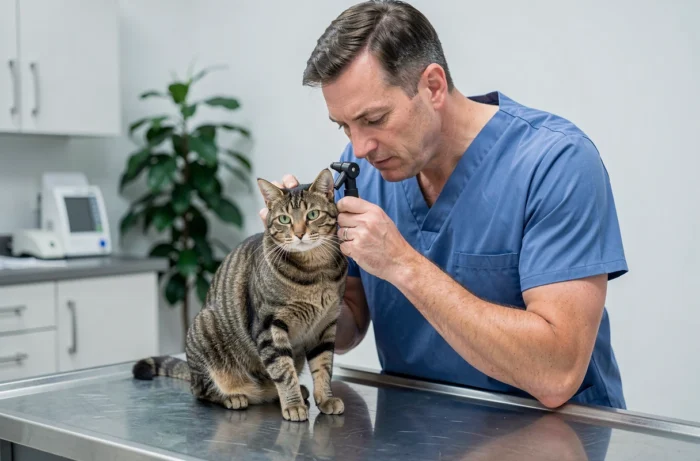
Clean the ears with a cleanser formulated for the species’ pH. We recommend checking the color of the earwax each time you clean them: dark brown or blackish earwax in cats may indicate an infestation with Otodectes cynotis (ear mites).
At-home dental care for dogs and cats
Dental tartar is one of the most common health problems in pets. Brushing with a soft-bristled toothbrush and an enzymatic toothpaste formulated for the species remains the most effective preventive measure. Dental chews and toys can complement the routine, but they are no substitute for brushing.
Scaling under general anesthesia must be performed by a veterinarian. Trying to remove tartar yourself can fracture the enamel or injure the gums.
Dietary supplements and remedies found online: what regulations actually allow
The proliferation of dietary supplements for animals (CBD oils, probiotics, joint supplements) blurs the line between nutrition and medicine. A dietary supplement is not a veterinary medicine and cannot claim any therapeutic properties.
Giving a dog salmon oil to improve coat quality is a nutritional choice. Giving an herbal product marketed as an anti-inflammatory to treat limping is self-medication—and may amount to the illegal practice of veterinary medicine if prescribed by someone without the required qualifications.
No supplement is a substitute for a consultation when a symptom persists. A high-quality diet suited to the animal’s age, breed and activity level is the foundation of well-being. A dog fed a complete and balanced diet generally does not need supplements unless specifically prescribed by a veterinarian.
Everyday animal welfare: beyond hygiene and health
Regulations for dog and cat breeders reflect a broader trend: welfare is about more than physical care. The rules include daily outings for dogs and, for cats, suitable facilities such as comfortable bedding, hiding places, scratching posts and an appropriate number of litter trays.
These regulatory requirements, which apply to breeders, are also a useful guide for all pet owners. A cat kept indoors without environmental enrichment (a scratching post, elevated spots and places to retreat) is more likely to develop behavioral problems such as inappropriate elimination, aggression and compulsive licking.
Health records: what changes from 2027
An order dated June 19, 2025, provides for information on the health monitoring of dogs and cats to be sent to Icad from January 1, 2027, followed by the digitization of certain registry data from 2029. This change primarily affects breeders, but it points toward a system in which each animal’s health history will be better documented and easier to access.
At the same time, AFNOR is co-leading a voluntary welfare standards project for dog and cat breeding with the ministry responsible for agriculture. The project is intended to complement the regulatory framework with objective criteria. These standards are not yet in force, but they confirm the direction the sector is taking.

The distinction between routine care and medical treatment remains the key point of reference. Owners who know the basic hygiene practices, provide a suitable environment for their pet and consult a veterinarian whenever a symptom persists for more than two or three days will meet most of their pet’s needs. The rest is left to sellers of miracle cures trying to fill the gap.