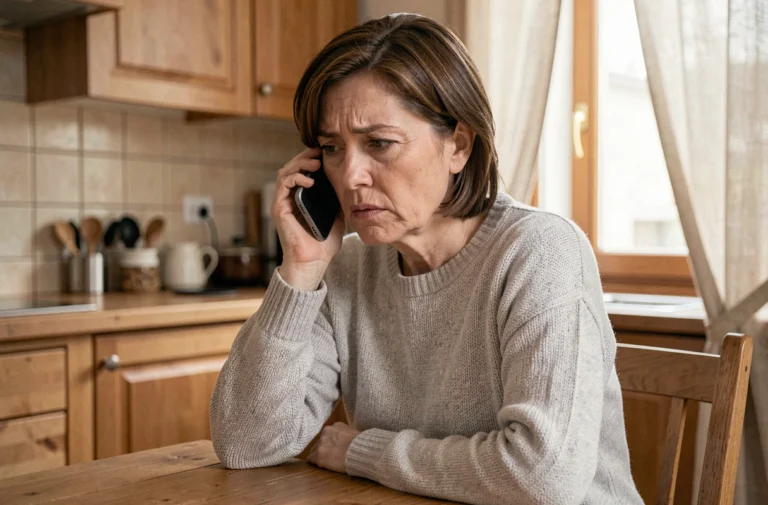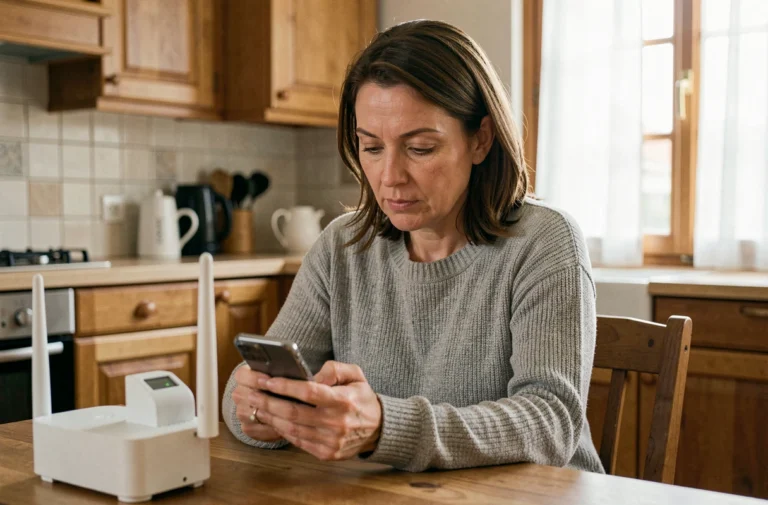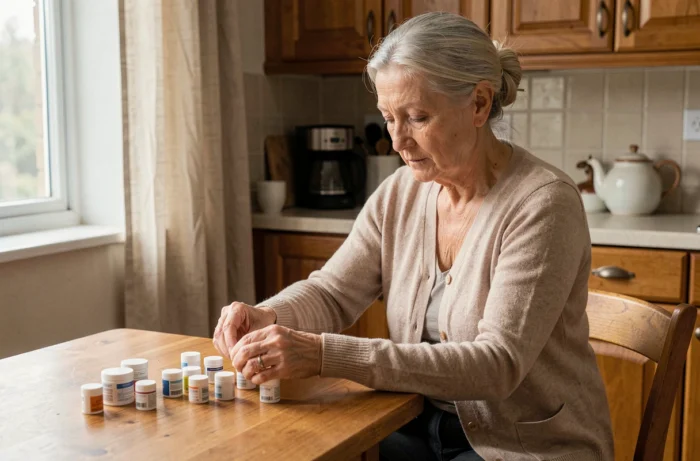
An older person returns home after ten days in hospital for a hip fracture. The surgeon has approved the discharge, the community physiotherapist has been notified, but no one has arranged the first few hours: no help with washing, no meal delivery, and no medical bed installed.
This gap between hospital and home illustrates the main challenge of helping older people in France remain at home. Care and support services are available, but coordinating them when someone needs them most remains the weakest link.
The transition from hospital to home: where home care breaks down
There is plenty of discussion about adapting the home or installing telecare systems. Less is said about what happens in the 48 hours after a hospital stay. An interview published by Weka on November 6, 2026, about the reform of home autonomy services (SADs) highlights the issue: coordinating the handover between hospital, community care and home remains a practical challenge. The problem is not a lack of professionals, but a lack of coordination between them.
In practice, the hospital doctor writes a discharge prescription. The community nurse needs to be contacted, the home help service needs to start its visits, and sometimes an occupational therapist needs to assess the home. When these steps do not happen in sequence, older people find themselves alone at home with prescribed care that is not being provided.
The services offered by Soin Et Compassion for seniors help structure this support by coordinating nursing care, daily assistance and personalized follow-up, including during these challenging transition periods.
What home autonomy services change
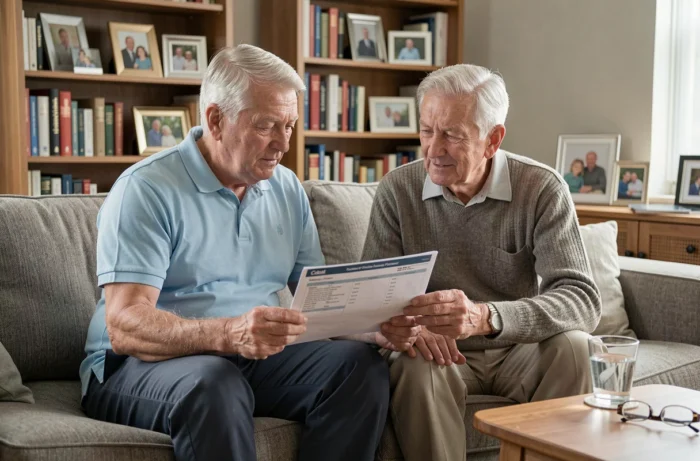
Gradually rolled out since 2023, SADs are intended to replace the former service categories (SAAD, SSIAD and SPASAD) with a single structure. The aim is to simplify procedures and better coordinate assistance, care and social support. A SAD that provides assistance does not necessarily provide nursing care itself; in that case, it must refer the person or connect them with qualified healthcare professionals.
This reform, incorporated into the French Social Action and Families Code on January 1, 2024, is progressing unevenly across regions. Coordination depends largely on the staff available locally.
The out-of-pocket cost of home-based APA: a hidden barrier to support
Being granted an APA support plan does not mean that everything is covered. The gap between the theoretical plan and what the person actually pays is often underestimated. A report from the field by ADMR, cited by Weka in November 2026, noted that the hourly rate covered only part of the actual cost of providing the service, leaving beneficiaries with an average out-of-pocket APA cost.
This gap has direct consequences. Some older people cut back on their hours of help or give up certain services because the out-of-pocket cost exceeds their budget. Home care then shifts from a choice to a necessity, with less support than is actually needed.
A draft decree raising concerns across the sector
In November 2026, UNCCAS and home care federations raised concerns about a draft decree that could increase the financial contribution required from people receiving home-based APA. The decree has not come into force, but organizations in the sector fear it could lead more people to forgo care. Funding for long-term care is not just about eligibility for assistance; it is also about what people still have to pay once they receive it.
Adapting a senior’s home: beyond renovations, administrative support
Installing a walk-in shower or grab bars presents no major technical challenge. What often gets in the way is the administrative process for securing funding. According to information from Anah, MaPrimeAdapt’ provides support from a project management assistant to guide households through preparing and tracking their application.
This support role is less visible than the funded equipment, but it makes a real difference for people who are unfamiliar with online procedures and do not have anyone available to help them. Without this assistance, many abandon the project before submitting an application.
The improvements that really matter
Not all home adaptations have the same impact on independence. Priorities vary depending on a person’s level of dependency, but certain improvements consistently come up in assessments carried out in the field:
- Replacing the bathtub with a level-access shower to reduce the risk of falling during daily washing
- Installing motorized roller shutters to eliminate a difficult physical task repeated every morning and evening
- Installing a stairlift or converting the ground floor into a fully equipped living space to avoid having to move between floors
- Adding automatic lighting in hallways and bathrooms to reduce nighttime falls
Preventing loss of independence: what works day to day
Prevention is about more than an annual check-up with a family doctor. It involves habits built into everyday life and services that support social connections as well as physical health.
Meal delivery, for example, does more than ensure a balanced diet. A delivery driver’s daily visit provides regular human contact that can help identify a change in someone’s condition or the first signs of isolation. Similarly, telecare is only useful if the person agrees to wear the device and the call center can dispatch help quickly.
Fall prevention programs, often funded by departmental funding conferences, combine adapted physical activity with home assessments. Their effectiveness depends on consistency: a few isolated sessions make little difference, while a program followed over several months significantly reduces the risk.
Helping older people remain at home depends on a balance between available care, coordinated support and realistic funding. When one of these three pillars is missing, the situation can deteriorate quickly. Checking the actual out-of-pocket costs before approving a support plan, planning for discharge before it happens, and getting help with home adaptation procedures: these practical steps make the difference between a sustainable plan for living at home and staying there by default.